Working from home has become a common part of many people’s daily lives. Having a dedicated home office space that’s both cozy and productive can make a big difference in how you feel and work throughout the day. Whether you have a small nook or an entire room to dedicate, creating the right environment can help you stay focused and comfortable. In this post, we’ll explore practical tips to design a home office space that supports your work and well-being.
Choose the Right Location
Finding the ideal spot for your home office is the first step. Here are some criteria to consider:
– Natural Light: A space near a window can improve mood and energy. Try to position your desk where you get plenty of natural light without glare on your screen.
– Quiet Area: Pick a quiet corner or room where distractions are minimal. Avoid areas near noisy appliances or heavy foot traffic.
– Space for Your Needs: Consider how much room you require for your equipment, storage, and movement. A cramped space can feel stressful.
Invest in Ergonomic Furniture
Comfort is key for long hours of work. Ergonomic furniture can prevent strain and promote better posture.
– Ergonomic Chair: Choose a chair with adjustable height, lumbar support, and comfortable cushioning.
– Desk Height: Your desk should allow your elbows to rest at a 90-degree angle when typing.
– Monitor Position: Place your computer monitor at eye level to reduce neck strain.
Create a Warm and Inviting Atmosphere
A cozy environment helps reduce stress and makes working at home more enjoyable.
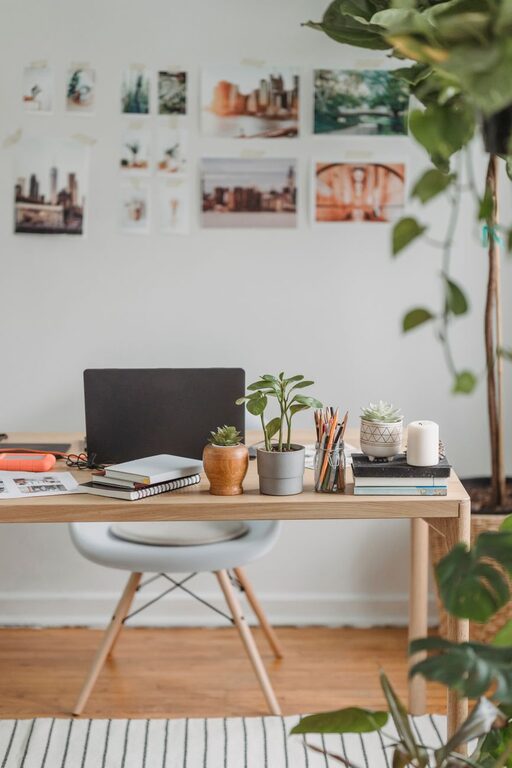
– Soft Textiles: Add cushions, throws, or a small rug to soften the space.
– Plants: Indoor plants introduce a touch of nature and can improve air quality.
– Personal Touches: Display photos, artwork, or objects that inspire you.
Organize for Efficiency
Clutter can distract and slow you down. Keeping your space tidy helps you focus better.
– Storage Solutions: Use shelves, bins, or filing cabinets to keep supplies organized.
– Cable Management: Use clips, sleeves, or ties to manage cords and prevent tangles.
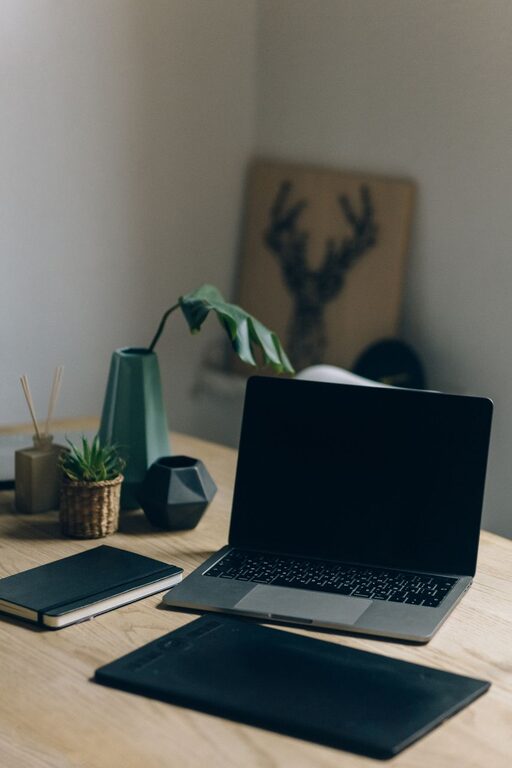
– Desk Essentials: Keep only frequently used tools on your desk; store the rest out of sight.
Pay Attention to Lighting
Good lighting reduces eye strain and keeps you alert.
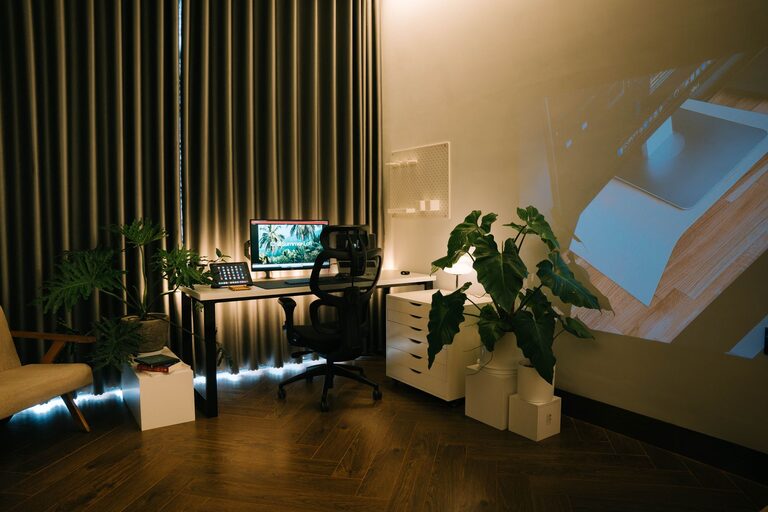
– Layered Lighting: Combine natural light with overhead lighting and task lamps.
– Adjustable Desk Lamp: A lamp with adjustable brightness and direction can help with reading and detailed work.
– Avoid Glare: Position screens away from direct sunlight and use blinds or curtains if needed.
Set Boundaries and Establish Routine
Your workspace shouldn’t only be comfortable physically but also supportive of your mental focus.
– Defined Work Zone: Even in small spaces, clearly separate your work area from relaxation zones.
– Daily Routine: Set consistent work hours and breaks to maintain productivity.
– Minimize Interruptions: Use “do not disturb” signs or notifications to limit distractions.
Utilize Technology Wisely
Technology is essential for modern work but can also overwhelm.
– Reliable Equipment: Invest in a dependable computer, fast internet, and quality peripherals.
– Noise-Canceling Headphones: These help you stay focused if your environment is noisy.
– Useful Apps: Use task managers, calendars, and note-taking apps to stay organized.
Incorporate Break Areas
Taking breaks is important for productivity and well-being.
– Comfortable Chair or Spot: A place to stretch or relax briefly away from your desk.
– Mindfulness Items: Consider adding items like a small water fountain or essential oil diffuser.
Keep It Flexible
Your needs might evolve over time, so designing a flexible space helps.
– Modular Furniture: Use pieces that can be rearranged or repurposed.
– Adjustable Lighting and Seating: Make it easy to change lighting levels or seating positions.
—
Creating a home office that blends comfort with productivity is within reach. By selecting the right location, investing in ergonomic furniture, organizing thoughtfully, and personalizing your space, you build an environment that supports both your work and well-being. Take time to arrange your space with intention, and you’ll likely find your efficiency and mood improving every day.